By Ilze Ziverte | Founder of 50 & Thriving
More and more research shows that muscle strength—not just muscle mass—is one of the most important predictors of healthy ageing. After reading the latest European guidance on sarcopenia, I realised those simple chair exercises I’d once ignored had a much deeper purpose. Here’s what I learned—and why I think every woman over 50 should know about it.
I used to smile when I saw those videos online – you know the ones: “10-minute chair workout”, “stand up from your seat 5 times a day”, “simple moves anyone can do at home”.
I’d think: That’s lovely, but I’m not there yet. I can still do things.
I’m 51 now. And this year, something shifted.
I can feel my body changing – not in a “getting older gracefully” way, but in ways that caught me off guard. My core feels softer and weaker, even though I carry a little extra weight around my middle. My arms don’t feel as firm as they used to – those “bird wings” we all joke about aren’t just about how we look; they’re signs our muscles are losing strength.
Reading through several articles, including the latest European guidance on sarcopenia, changed everything for me. All the pieces finally fit together.
What’s Really Happening: It’s Not Weight Loss – It’s Muscle Loss
We hear so much about menopause, weight gain or a slowing metabolism. But what surprised me most was learning that another change is happening quietly in the background.
From around age 50 – and often more rapidly during menopause – our bodies gradually lose muscle strength and mass. This condition is called sarcopenia.
One thing that really stood out to me was that doctors and researchers no longer focus only on how much muscle we have. According to the latest European consensus, muscle strength is actually a better indicator of healthy ageing than muscle mass alone.
That means we can begin losing strength long before we notice our muscles becoming visibly smaller.
Many of us stay the same weight, or even gain a little, while strong, capable muscle is slowly replaced with fat. That’s why our tummy may feel softer, even if our eating habits haven’t changed. It’s why opening a stubborn jar, climbing stairs or carrying heavy shopping suddenly feels harder than it did a few years ago.
The fall in oestrogen during menopause contributes to this process by making it harder for muscles to repair and respond to both exercise and protein. Combined with ageing and reduced activity, it can accelerate the loss of strength.
The encouraging news is that this isn’t simply something we have to accept. Sarcopenia is now recognised as a condition that can be identified early and managed. The earlier we act, the better our chances of maintaining our strength and independence.
Those “Simple” Exercises Are Not Jokes – They’re Early Checks
All of the articles described the same simple tests that health professionals use to spot early signs of muscle weakness:
- Standing up from a chair five times without using your arms.
- Walking four metres at your normal pace.
- Measuring hand-grip strength.
A few years ago, I would have assumed these tests were only for much older people.
Now I see them differently.
They’re not about proving how fit we are. They’re early indicators of how well our muscles are functioning.
When I struggle to keep my core steady while walking, or notice my arms shaking as I lift something heavy, I no longer dismiss it as “just getting older.” I see it as my body asking me to pay attention.
Those “silly” chair exercises aren’t silly at all.
Every time we stand up from a chair without using our hands, we’re reminding our muscles that they’re still needed.
What We Can Actually Do – No Fancy Gym Needed
The best part is that we can do something about it.
The research consistently points to three practical steps.
1. Strength training two or three times each week
You don’t need heavy weights or an expensive gym membership.
Chair squats, wall push-ups, resistance bands, carrying shopping bags or lifting tins of food all challenge your muscles.
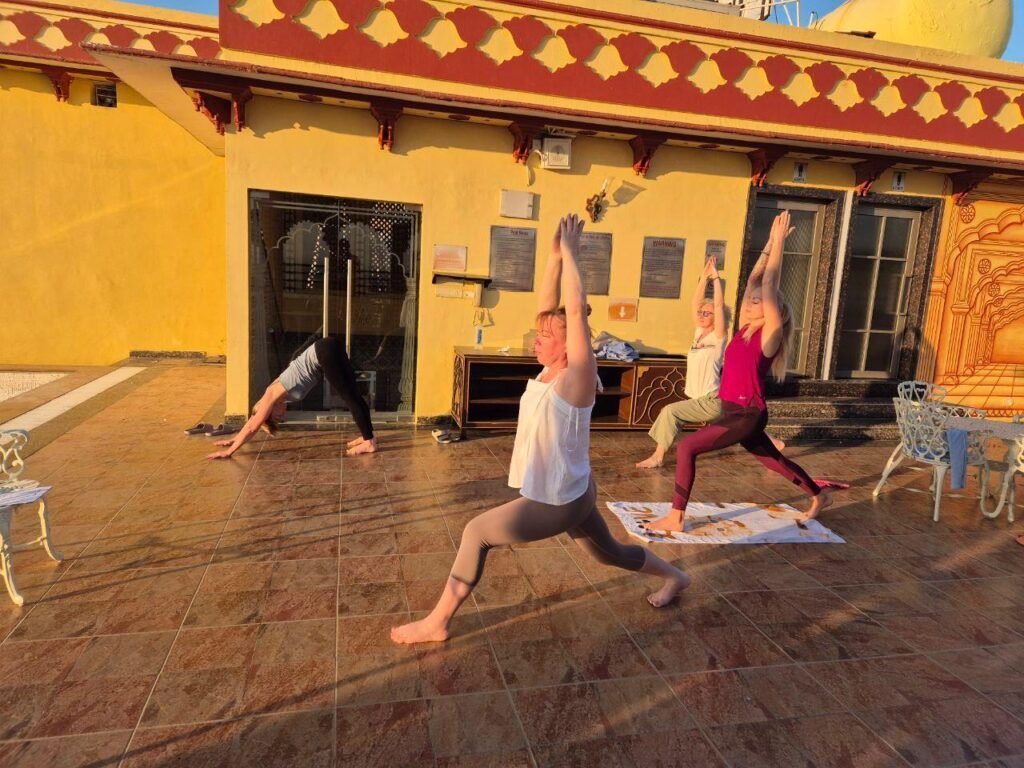
If you enjoy going to the gym, that’s wonderful. If not, yoga, Pilates, or even Zumba classes are fantastic ways to stay active.
Personally, I love Zumba. You’re moving, strengthening your muscles, improving your balance and laughing at the same time. You leave feeling happier than when you arrived, and that matters just as much.
The goal isn’t simply to look different.
It’s to stay strong enough to enjoy everyday life for many years to come.
2. Eat enough protein throughout the day
Aim for around 25–30 grams of protein at each meal.
Eggs, fish, yoghurt, cottage cheese, beans, lentils and nuts all help provide the building blocks our muscles need.
One of the biggest lessons I learned is that protein and exercise work together.
Exercise tells the body, “These muscles are still needed.”
Protein provides the materials to repair and strengthen them.
One without the other is much less effective.
3. Move more and sit less
We often think exercise only counts when we’re working out.
But long periods of sitting tell our muscles the opposite—that they aren’t needed.
Standing up every half hour, stretching, walking, gardening or dancing all send an important message to the body:
Keep these muscles strong. I’m still using them.
My Realisation: We Need To Talk About This Sooner
I wish I’d understood this ten years ago.
We spend so much time talking about wrinkles, body weight and waistlines, yet we rarely talk about strength.
Strength is what allows us to climb stairs confidently, carry shopping, travel, play with grandchildren and stay independent.
That’s something worth protecting.
This isn’t just a conversation for people in their seventies or eighties.
It’s for women in their forties, fifties and sixties, while we still have the opportunity to build and maintain healthy muscles.
Reading these articles transformed my worries into something much more hopeful.
Yes, my body is changing.
But I also know there’s a great deal I can do to support it.
And those simple chair exercises?
I don’t smile at them anymore.
I respect them.
Because keeping my strength isn’t about looking younger.
It’s about staying with me.
What I Learned
- Muscle strength declines before noticeable muscle loss.
- Sarcopenia isn’t just “normal ageing”—it can be recognised early and managed.
- Menopause can accelerate muscle loss, but lifestyle still makes a powerful difference.
- Resistance exercise and adequate protein work best together.
- Sitting less and moving more throughout the day matters just as much as structured exercise.
- It’s never too early—or too late—to start protecting your muscles.
References
- Cruz-Jentoft AJ, Bahat G, Bauer J, et al. Sarcopenia: Revised European Consensus on Definition and Diagnosis (EWGSOP2). Age and Ageing. 2019;48(1):16–31.
- National Institutes of Health. Slowing Sarcopenia. NIH News in Health. April 2025.
- Mersey Care NHS Foundation Trust. Sarcopenia Guide. Patient Information Leaflet, 2025.